Your marketing campaigns are burning through budget but delivering disappointing returns. Sound familiar?
This guide is for small business owners, marketing managers, and entrepreneurs in Indore who are frustrated with their current digital marketing services in Indore performance and want to fix what’s going wrong.
Many businesses make the same costly mistakes that drain their marketing budget without delivering results. We’ll break down the seven biggest ROI killers and show you exactly how to avoid them.
You’ll discover why targeting the wrong audience segments wastes your ad spend, how neglecting mobile optimization loses potential customers, and why failing to track key performance metrics leaves you blind to what’s actually working. We’ll also cover the critical mistake of spreading your budget too thin and why most businesses give up on campaigns right before they start paying off.
Stop throwing money at marketing tactics that don’t work. Let’s identify what’s killing your ROI and fix it.
Targeting the Wrong Audience Segments

Wasting Budget on Irrelevant Demographics
Your marketing budget burns through cash faster than a sports car guzzles fuel when you’re targeting the wrong people. Picture this: you’re running Facebook ads for premium skincare products to college students surviving on ramen noodles, or promoting luxury vacation packages to recent retirees on fixed incomes. The clicks might come, but the conversions won’t follow.
Most businesses make the costly mistake of casting too wide a net, hoping to catch everyone instead of focusing on their ideal customers. This shotgun approach leads to impressive reach numbers that look great in reports but deliver terrible return on investment. Your ads get shown to thousands of people who have zero interest or ability to buy your product.
Smart marketers understand that demographic targeting goes beyond basic age and gender filters. Income levels, education, life stages, and interests all play crucial roles in determining whether someone will actually purchase. A fitness app targeting “women aged 25-45” sounds specific but includes stay-at-home moms, busy executives, and fitness enthusiasts – groups with completely different motivations and buying behaviors.
Ignoring Customer Persona Research
Customer personas aren’t just marketing fluff – they’re your roadmap to profitable campaigns. Yet countless businesses skip this foundational step and wonder why their messaging falls flat. Without detailed personas, you’re essentially shooting arrows blindfolded and hoping to hit the bullseye.
Effective persona research digs deep into your customers’ daily lives, pain points, goals, and decision-making processes. What time do they check social media? Which platforms do they trust for product recommendations? What objections keep them from buying immediately? These insights transform generic campaigns into laser-focused messages that resonate.
Many companies rely on assumptions instead of actual data when building personas. They think they know their customers but haven’t talked to them in years. Real persona research involves surveys, interviews, social media analysis, and studying customer support tickets. The patterns that emerge often surprise business owners and reveal opportunities they never considered.
Professional digital marketing services understand that personas evolve as markets change. What worked two years ago might miss the mark today, especially as younger generations develop different shopping habits and communication preferences.
Failing to Segment by Purchase Intent
Not all website visitors are created equal, yet most marketers treat them the same way. Someone researching options for the first time needs different messaging than someone ready to buy today. Failing to segment audiences by purchase intent wastes money on generic campaigns that don’t match where people are in their buying journey.
High-intent audiences show clear buying signals: they’ve visited pricing pages, compared products, or abandoned shopping carts. These warm prospects deserve your premium ad spend and aggressive retargeting efforts. Low-intent audiences might be browsing casually or still learning about their problems – they need educational content, not pushy sales pitches.
Smart segmentation creates separate campaigns for different intent levels:
- Awareness Stage: Educational content, problem-focused keywords, broader targeting
- Consideration Stage: Product comparisons, reviews, feature highlighting
- Decision Stage: Pricing, testimonials, limited-time offers, strong calls-to-action
This approach maximizes budget efficiency by spending more on people likely to convert while nurturing cooler prospects with less expensive content marketing.
Overlooking Geographic and Behavioral Factors
Location and behavior data reveal goldmines of targeting opportunities that most marketers completely ignore. Geographic targeting goes way beyond country or state boundaries – neighborhood-level targeting can dramatically improve campaign performance for local businesses.
Weather patterns affect purchasing decisions more than you’d expect. Rain increases food delivery orders, cold snaps boost heating service searches, and sunny weekends drive outdoor equipment sales. Seasonal businesses that align their campaigns with local weather conditions consistently outperform competitors using generic scheduling.
Behavioral targeting looks at actual online actions rather than demographic guesswork. Someone who regularly visits financial websites behaves differently from someone browsing entertainment sites, even if they share the same age and income. Purchase history, browsing patterns, and app usage create accurate pictures of customer preferences.
Time-based behaviors matter too. B2B campaigns perform better during weekday business hours, while consumer products often see peak engagement during evening hours and weekends. Device usage patterns reveal whether your audience prefers mobile or desktop experiences, directly impacting creative design and landing page optimization decisions.
Neglecting Mobile Optimization Across Channels
Losing Revenue from Mobile Traffic
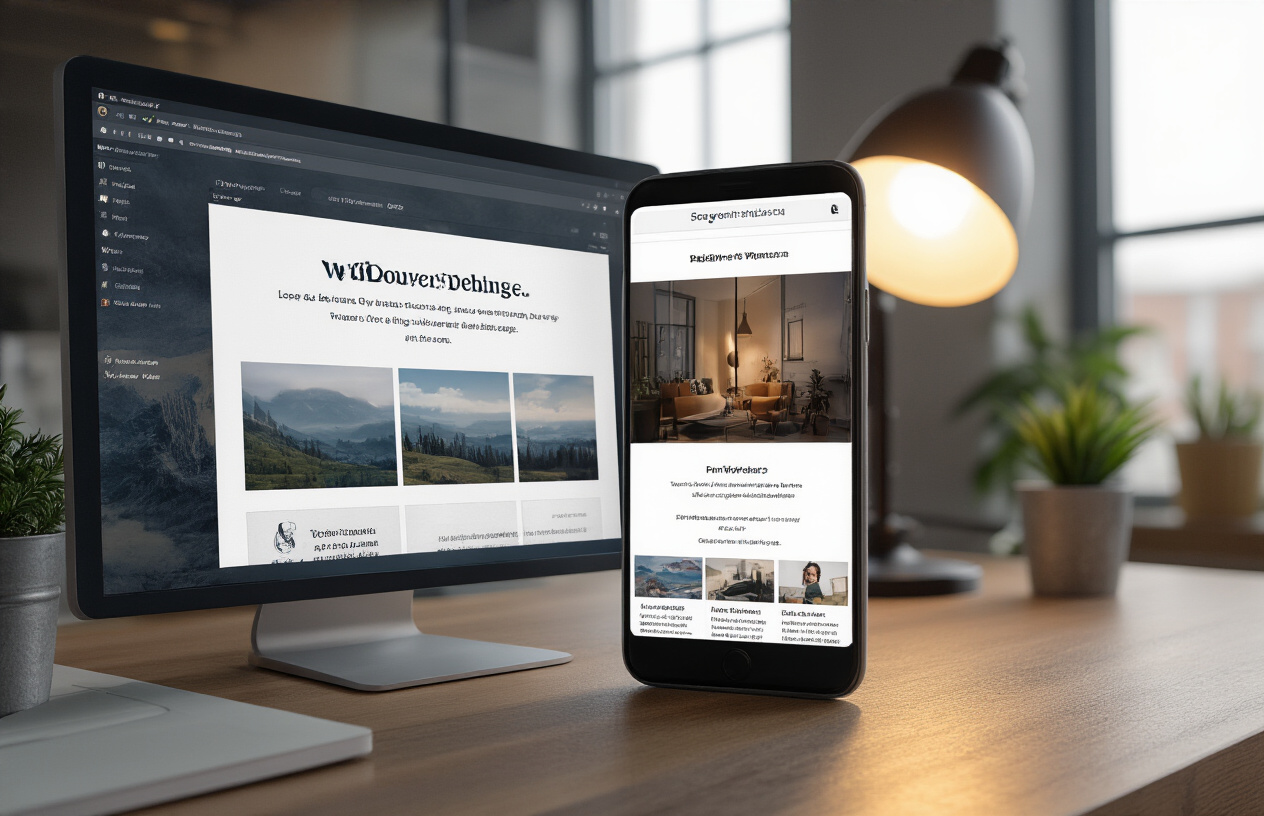
Mobile users now make up over 60% of all internet traffic, yet many businesses continue to hemorrhage potential revenue by treating mobile as an afterthought. When your website, ads, and content aren’t optimized for mobile devices, you’re essentially turning away more than half of your potential customers at the digital door.
The numbers paint a stark picture. Mobile commerce sales reached $415 billion in 2022, representing nearly 43% of all e-commerce transactions. Companies that fail to capture this mobile-first audience watch competitors sweep up sales that should have been theirs. A single second delay in mobile page load time can reduce conversions by up to 20%, while poorly formatted mobile pages can drive bounce rates above 80%.
Professional digital marketing services understand that mobile optimization isn’t just about making things smaller – it’s about creating an entirely different user journey. Mobile shoppers behave differently than desktop users. They’re more likely to make impulse purchases, respond to location-based offers, and abandon transactions if the process feels clunky or time-consuming.
Creating Poor User Experience on Smartphones
Your website might look fantastic on a desktop monitor, but if users need to pinch and zoom to read text or struggle to tap tiny buttons, you’ve already lost them. Poor mobile user experience doesn’t just frustrate visitors – it directly impacts your bottom line and search rankings.
Google’s mobile-first indexing means your mobile site performance directly affects your search visibility. Pages that aren’t mobile-friendly get pushed down in search results, reducing your organic reach and forcing you to spend more on paid advertising to maintain visibility.
Consider these critical mobile UX elements that businesses often overlook:
- Touch-friendly navigation with buttons sized for finger taps, not mouse clicks
- Readable text without requiring zoom (minimum 16px font size)
- Fast-loading images optimized for smaller screens and slower connections
- Simplified checkout processes with mobile-friendly payment options like Apple Pay or Google Pay
- Vertical-first design that works naturally with how people hold their phones
Mobile users are also more impatient than desktop users. They expect instant gratification and seamless experiences. If your mobile site takes longer than three seconds to load, you’ll lose nearly 40% of visitors before they even see your content. This translates directly to lost revenue and reduced ROI on all your marketing efforts.
Missing Mobile-Specific Advertising Opportunities
Mobile devices offer unique advertising opportunities that simply don’t exist on desktop platforms, yet many marketers continue using desktop-centric strategies across all channels. This approach leaves massive amounts of potential revenue on the table.
Location-based advertising represents one of the biggest missed opportunities. Mobile users carry their devices everywhere, making them perfect targets for geo-targeted campaigns. Restaurants can target hungry office workers within a two-block radius during lunch hours. Retail stores can send special offers to shoppers browsing competitor locations. Service businesses can reach customers exactly when they’re searching for solutions in their area.
Mobile-specific ad formats also drive higher engagement rates than traditional display ads:
| Ad Format | Mobile CTR | Desktop CTR | Engagement Lift |
|---|---|---|---|
| Video Ads | 4.2% | 2.8% | +50% |
| Interactive Ads | 3.1% | 1.9% | +63% |
| Stories/Feed Ads | 2.7% | 1.4% | +93% |
App-based advertising opens additional revenue channels through push notifications, in-app purchases, and loyalty program integration. These touchpoints create ongoing relationships with customers rather than one-time interactions.
Social media advertising on mobile platforms requires different creative strategies than desktop campaigns. Vertical video content, swipeable carousels, and story-format ads perform significantly better on mobile devices. Businesses that adapt their creative assets for mobile-first consumption see engagement rates increase by 200-300% compared to repurposed desktop content.
The key is recognizing that mobile advertising isn’t just desktop advertising on smaller screens – it’s an entirely different medium with its own rules, opportunities, and user behaviors. Companies that master mobile-specific advertising strategies consistently outperform competitors who treat mobile as a secondary concern.
Failing to Track and Measure Key Performance Metrics

Operating Without Clear ROI Benchmarks
Without clear ROI benchmarks, you’re essentially flying blind through your marketing campaigns. Think about it – how can you know if your $5,000 monthly ad spend is performing well if you don’t have a target return to measure against? Smart marketers establish specific ROI thresholds before launching any campaign, whether that’s a 3:1 return on ad spend for e-commerce or a $50 cost per lead for B2B services.
The problem gets worse when businesses set unrealistic expectations. A startup expecting 500% ROI in their first month will likely panic and abandon profitable campaigns that just need time to mature. Conversely, established brands might settle for mediocre 150% returns when they could achieve 300% with proper optimization.
Setting benchmarks isn’t just about picking random numbers. Look at industry standards, analyze your historical data, and factor in your business model. SaaS companies typically see different ROI patterns than retail brands, and seasonal businesses need benchmarks that account for peak and off-peak periods.
Ignoring Attribution Models and Customer Journey
Your customers don’t buy after seeing one ad – they research, compare, read reviews, and often take days or weeks before making a decision. Yet many businesses still use last-click attribution, giving all the credit to the final touchpoint while ignoring the awareness campaigns that started the journey.
This creates a dangerous cycle where top-of-funnel activities like content marketing and social media ads get blamed for “not converting,” leading to budget cuts in areas that actually drive long-term growth. Meanwhile, bottom-funnel tactics get over-credited and over-invested.
Modern attribution modeling helps you see the full picture. First-click attribution shows what drives awareness, time-decay models give more credit to recent interactions, and data-driven attribution uses machine learning to assign value based on actual conversion patterns. Professional digital marketing services in Indore often implement multi-touch attribution systems that reveal which channel combinations work best together.
The customer journey mapping process should include every touchpoint – from the first blog post someone reads to the email that finally convinces them to buy. Track micro-conversions like email signups, content downloads, and product page views. These signals help predict who’s likely to convert and when to increase ad spend or send targeted offers.
Making Decisions Based on Vanity Metrics
Vanity metrics feel good but don’t pay the bills. A million impressions might boost your ego, but if those impressions don’t drive qualified traffic, they’re worthless. The same goes for social media followers, email list size, and website visits without context.
Here’s what happens: your Facebook campaign generates 50,000 impressions and 500 clicks, giving you a 1% click-through rate that seems decent. You celebrate and increase budget. But dig deeper – those 500 clicks cost $200 and generated zero sales. Your actual ROI is negative 100%, not the positive performance suggested by CTR alone.
Focus on metrics that directly connect to revenue:
- Cost per acquisition (CPA) instead of cost per click
- Lifetime value to CAC ratio instead of just customer count
- Revenue per visitor instead of total traffic
- Email revenue per send instead of open rates
- Qualified leads generated instead of total form submissions
| Vanity Metric | Actionable Alternative |
|---|---|
| Page Views | Revenue per Page View |
| Social Followers | Social Commerce Conversion Rate |
| Email Opens | Email-Driven Revenue |
| App Downloads | Active User Revenue |
Lacking Proper Analytics Setup and Configuration
Bad data leads to bad decisions, and most businesses have serious gaps in their analytics setup. Google Analytics might be installed, but conversion tracking is broken, goals aren’t configured properly, or important events aren’t being tracked at all.
Common setup failures include missing e-commerce tracking, unfiltered bot traffic inflating numbers, cross-domain tracking issues, and failure to connect advertising platforms with analytics tools. When your Google Ads data doesn’t match your Analytics reports, you can’t optimize effectively.
Proper configuration starts with defining what success looks like for your business. E-commerce sites need transaction tracking, lead generation businesses need form completion tracking, and SaaS companies need trial signup and upgrade tracking. Set up custom audiences for remarketing, create segments for different traffic sources, and establish proper UTM parameter naming conventions.
Don’t forget about privacy regulations affecting data collection. iOS 14.5+ and cookie restrictions mean you need first-party data collection strategies, server-side tracking implementation, and enhanced conversion tracking to maintain measurement accuracy. Many businesses saw their Facebook ad performance drop not because campaigns got worse, but because they lost visibility into actual results.
Regular analytics audits should be part of your routine. Check for tracking gaps, verify conversion values are recording correctly, and ensure your attribution windows align with your actual sales cycle length.
Spreading Budget Too Thin Across Multiple Platforms

Diluting Message Impact and Brand Recognition
When businesses scatter their marketing budget across multiple platforms without strategic focus, their brand message becomes fragmented and loses its punch. Think about trying to have a conversation in a crowded room while shouting in different directions – nobody really hears what you’re saying clearly.
Each platform requires tailored messaging that aligns with user behavior and expectations. Facebook users engage differently than LinkedIn professionals, and Instagram audiences respond to visual content differently than Twitter users process quick updates. When you’re trying to maintain a presence everywhere with limited resources, you end up creating generic, one-size-fits-all content that fails to resonate deeply with any specific audience.
Brand recognition suffers when your message appears sporadically and inconsistently across platforms. Users need repeated exposure to your brand in meaningful ways to develop familiarity and trust. Spreading thin means showing up weakly everywhere instead of creating memorable impressions where it matters most.
The result? Your audience struggles to understand who you are, what you offer, and why they should care. Your competitors who focus their efforts on fewer platforms with consistent, high-quality content end up owning those spaces while you remain invisible across many.
Insufficient Investment in High-Performing Channels
Most businesses discover that certain marketing channels deliver significantly better returns than others. Maybe your Facebook ads generate three times more conversions than your Twitter campaigns, or your email marketing consistently outperforms your display advertising. Yet many companies continue dividing their budget equally across all channels, ignoring these performance disparities.
This approach prevents you from capitalizing on your winners. When you find a channel that works well for your audience, doubling down with additional investment often yields exponential returns. That high-performing channel might be ready to scale, but insufficient funding keeps you from maximizing its potential.
Professional digital marketing services in Indore often help businesses identify these goldmine channels through detailed analytics and testing. They recognize that successful digital marketing isn’t about being everywhere – it’s about dominating the right spaces where your ideal customers spend their time and attention.
Consider this scenario: Your Google Ads campaigns generate leads at $30 per conversion, while your LinkedIn campaigns cost $150 per lead. Continuing to split budget equally between these channels means you’re essentially choosing to pay five times more for some of your leads. Smart marketers would shift more budget toward Google Ads until performance metrics indicate diminishing returns.
The opportunity cost of underfunding successful channels often exceeds the risk of missing out on potential wins from untested platforms.
Overwhelming Internal Resources and Expertise
Managing multiple marketing platforms simultaneously demands diverse skill sets that most internal teams simply don’t possess. Each platform has unique requirements: Instagram needs visual design expertise, Google Ads requires analytical and keyword research skills, LinkedIn demands professional copywriting abilities, and TikTok needs video creation talents.
When you spread your team thin across numerous platforms, nobody becomes truly proficient at any single channel. Your Facebook specialist might also be handling your email campaigns, managing your website updates, and trying to learn TikTok trends. This jack-of-all-trades approach typically produces mediocre results across all channels.
Team burnout becomes inevitable when everyone’s juggling multiple complex platforms while trying to stay current with constantly changing algorithms, features, and best practices. Each platform updates its requirements regularly – what worked last month might be ineffective today. Keeping up with these changes across five or six different platforms overwhelms even experienced marketers.
Resource allocation becomes chaotic when every platform demands immediate attention. Your team constantly fights fires instead of developing comprehensive strategies. They’re reactive rather than proactive, responding to platform changes and performance dips instead of planning campaigns that drive meaningful growth.
Quality suffers across the board. Instead of creating exceptional content for two platforms, you’re producing average content for six platforms. Your audience notices this difference in quality, and engagement rates typically reflect these compromises.
Smart businesses choose three platforms maximum and excel at those rather than maintaining weak presences everywhere. This focused approach allows teams to develop deep expertise, create outstanding content, and build genuine communities around their brands.
Ignoring Landing Page Optimization and Conversion Rates

Driving Traffic to Poorly Converting Pages
Picture this: you’re spending hundreds or thousands of dollars driving targeted traffic to your website, but visitors arrive and leave within seconds. Your landing pages might look great to you, but they’re failing to convert visitors into customers. This disconnect between traffic investment and conversion results represents one of the most expensive mistakes in digital marketing.
Many businesses focus heavily on generating clicks and impressions while completely overlooking what happens after someone lands on their page. A beautiful homepage or generic service page rarely converts cold traffic effectively. Visitors need specific, relevant content that directly addresses their needs and guides them toward taking action.
The problem becomes even more pronounced when you’re driving paid traffic to pages designed for organic visitors. Someone clicking on a Facebook ad about “affordable web design services” expects to land on a page specifically about web design pricing, not your general homepage. When there’s a mismatch between expectations and reality, bounce rates skyrocket and ad spend becomes wasted money.
Neglecting A/B Testing for Key Elements
Most marketers set up their landing pages once and never touch them again. This “set it and forget it” approach kills potential revenue because you’re missing countless opportunities to improve performance through systematic testing.
A/B testing reveals surprising insights about user behavior. Sometimes a simple headline change can increase conversions by 30%. Other times, moving a form from the right side to the left side of the page dramatically improves sign-up rates. The color of your call-to-action button, the length of your form, and even the images you choose all impact conversion rates.
Smart testing focuses on high-impact elements first:
- Headlines and subheadings – Test benefit-focused vs. feature-focused messaging
- Call-to-action buttons – Experiment with colors, text, and placement
- Forms – Test different field requirements and form lengths
- Social proof – Try testimonials, reviews, or trust badges in various locations
- Page layout – Compare single-column vs. multi-column designs
Without testing, you’re essentially guessing what works best for your audience. Professional digital marketing services in Indore often find that systematic testing can double or triple conversion rates within just a few months of implementation.
Creating Disconnect Between Ads and Landing Experience
Your ad promises one thing, but your landing page delivers something completely different. This disconnect confuses visitors and destroys trust before they even consider buying from you. Message matching between ads and landing pages is crucial for maintaining the user’s journey from initial interest to final conversion.
When someone clicks an ad about “free marketing consultation,” they shouldn’t land on a page trying to sell them a $5,000 software package. The messaging, visuals, and overall feel should create a seamless transition from ad to landing page. This means using similar language, maintaining consistent branding, and delivering on the specific promise made in your advertisement.
Visual consistency matters just as much as message consistency. If your ad features specific imagery or color schemes, incorporate those same elements into your landing page design. This visual continuity reassures visitors they’re in the right place and builds subconscious trust.
Failing to Optimize for Different Traffic Sources
Not all traffic is created equal. Visitors coming from Google search behave differently than those arriving from Facebook ads or email campaigns. Each traffic source brings users with different intent levels, awareness stages, and expectations. Your landing pages should reflect these differences.
Organic search traffic often arrives with high intent and specific problems to solve. These visitors typically convert better with detailed, informative content that positions your business as the solution. Social media traffic, however, might need more education about their problem before they’re ready to consider your solution.
Email subscribers already know your brand, so they don’t need lengthy explanations about who you are. They’re ready for more direct, benefit-focused messaging. Paid search traffic falls somewhere in between – they’re actively looking for solutions but might need convincing that your specific approach is best.
Creating traffic-source-specific landing pages or using dynamic content based on referral source can significantly improve conversion rates across all channels. This targeted approach ensures each visitor sees the most relevant message for their current mindset and stage in the buying journey.
Skipping Competitor Analysis and Market Research

Missing Profitable Keyword Opportunities
When you skip competitor analysis, you’re essentially flying blind in the digital marketing landscape. Your competitors have already done the hard work of testing which keywords convert, and they’re reaping the rewards while you’re left guessing. This mistake costs businesses thousands in lost opportunities every month.
Smart competitors use sophisticated keyword research tools to identify high-value, low-competition keywords that you might never discover on your own. They’ve tested different variations, long-tail phrases, and seasonal terms that drive actual revenue. Without this intelligence, you’re bidding on expensive, overly competitive keywords while missing the goldmine of profitable alternatives.
Consider this scenario: your competitor ranks for “affordable web design services” while you’re fighting for “web design” – a keyword that costs three times more per click with lower conversion rates. They’ve identified buyer-intent keywords that your potential customers actually search for, while you’re stuck with generic terms that drain your budget.
The solution involves comprehensive keyword gap analysis using tools like SEMrush, Ahrefs, or SpyFu. Export your competitors’ top-performing keywords, analyze their search volumes and difficulty scores, then prioritize based on relevance to your business. This research reveals untapped opportunities that can dramatically improve your ROI.
Overlooking Successful Campaign Strategies
Your competitors’ successful campaigns are like a masterclass in what works for your target audience – and you’re missing out on these lessons when you skip proper analysis. They’ve already invested time and money testing different approaches, ad formats, messaging angles, and promotional strategies.
Successful competitors often use specific campaign structures that you can adapt for your own business. They might run seasonal promotions, use particular ad formats, target specific demographics, or employ retargeting sequences that consistently generate results. Without studying these patterns, you’re reinventing the wheel instead of building on proven strategies.
For businesses offering digital marketing services in Indore, competitor analysis reveals which local marketing approaches resonate with the regional audience. Your competitors might be using location-specific messaging, targeting local events, or partnering with area businesses in ways that you haven’t considered.
Social media campaigns provide particularly valuable insights. Competitors’ top-performing posts, engagement rates, hashtag strategies, and content themes show exactly what your shared audience responds to. Their successful video content, carousel ads, or user-generated campaigns can inspire your own creative direction.
Email marketing sequences, landing page designs, and conversion funnels are also worth studying. Tools like Facebook Ad Library, SimilarWeb, and manual observation help uncover these strategies. The goal isn’t copying but understanding what resonates with your audience so you can create even better campaigns.
Pricing Services Without Market Context
Pricing in a vacuum is one of the fastest ways to kill your ROI. When you don’t research competitor pricing, you either price yourself out of the market or leave money on the table by charging too little. Both scenarios hurt your bottom line and market positioning.
Competitor pricing research reveals the market’s price sensitivity and value perception. If competitors charge premium rates and maintain strong client bases, it indicates customers are willing to pay for quality. Conversely, if the market is price-sensitive, you need different positioning strategies to justify higher rates.
Service packaging also varies significantly between competitors. Some bundle services, others offer à la carte pricing, and still others use retainer models. Understanding these approaches helps you structure offerings that stand out while remaining competitive.
Market research extends beyond direct competitors to include alternative solutions your customers might consider. If potential clients can choose between your digital marketing services and DIY tools, in-house hiring, or different service providers, you need pricing that reflects this competitive landscape.
Geographic factors also influence pricing strategies. Local market conditions, regional spending power, and area-specific competition all impact what customers expect to pay. This context becomes especially important for location-based businesses targeting specific markets.
Regular pricing analysis should include service comparisons, package structures, contract terms, and value propositions. This ongoing research ensures your pricing remains competitive while maximizing profitability and market share.
Abandoning Campaigns Too Early Before Optimization

Stopping Before Reaching Statistical Significance
Picture this: you launch a campaign, watch it struggle for the first week, panic, and pull the plug. Sound familiar? Most marketers make decisions based on emotions rather than data, shutting down campaigns before they’ve collected enough information to make meaningful conclusions.
Statistical significance requires adequate sample sizes and time frames that many businesses simply don’t want to invest in. A campaign might need 1,000+ conversions per variation to determine a clear winner, but most marketers start making changes after seeing just 50-100 interactions. This premature decision-making leads to false positives and missed opportunities.
Consider running campaigns for at least 2-4 weeks before making major adjustments. During this period, external factors like seasonality, competitor actions, and audience behavior patterns can significantly impact results. What looks like a failing campaign in week one might become your top performer by week three once algorithms optimize and audiences respond.
Professional digital marketing services understand the importance of patience in campaign optimization. They know that hasty decisions based on incomplete data often destroy potentially profitable campaigns before they have a chance to succeed.
Missing Long-Term Compound Growth Benefits
Digital marketing campaigns aren’t sprint races – they’re marathons with compound benefits that build over time. When you abandon campaigns early, you lose the accumulated advantages of audience learning, brand recognition, and algorithmic optimization that develop gradually.
Platform algorithms need time to understand your target audience and optimize delivery. Facebook’s machine learning, for instance, requires approximately 50 conversions per ad set per week to exit the learning phase and perform efficiently. Google Ads similarly improves over time as it gathers more data about which searches convert best for your business.
Brand awareness also compounds exponentially. Users typically need 7-12 touchpoints before making purchase decisions. A campaign that seems ineffective after two weeks might be laying crucial groundwork for future conversions. These delayed conversions often don’t get attributed correctly, making early campaigns appear less successful than they actually are.
The relationship between ad frequency and conversion rates follows a similar pattern. Initial exposures build awareness, middle exposures create consideration, and later exposures drive action. Cutting campaigns short interrupts this natural progression and wastes the investment made in earlier touchpoints.
Failing to Allow for Learning and Algorithm Adjustment
Modern advertising platforms rely heavily on machine learning algorithms that continuously optimize campaign performance. These systems need substantial data and time to identify patterns, test different approaches, and refine targeting strategies automatically.
When campaigns launch, algorithms start with broad targeting and gradually narrow focus based on performance data. This learning process typically takes 1-2 weeks on most platforms, during which performance might appear suboptimal. Many marketers interpret this learning phase as campaign failure and make unnecessary changes that reset the optimization process.
Algorithm adjustment periods vary by platform and campaign type. Search campaigns often optimize faster than display campaigns because search intent provides clearer signals. Social media campaigns targeting broad audiences need longer learning periods than remarketing campaigns with defined audiences.
Making frequent changes during learning phases disrupts algorithmic optimization. Each significant modification – budget changes over 20%, audience adjustments, or creative updates – can trigger algorithm resets, extending learning periods and delaying performance improvements.
Not Testing Different Creative and Messaging Variations
Creative fatigue happens faster than most marketers expect. Audiences become blind to repeated messages, leading to declining performance over time. Rather than abandoning entire campaigns, smart marketers continuously test new creative variations to maintain engagement and discover winning combinations.
Testing different messaging approaches reveals valuable insights about audience preferences, pain points, and motivations. What resonates with one segment might fall flat with another, but you’ll never discover these nuances without systematic testing over extended periods.
| Creative Element | Testing Timeline | Success Indicators |
|---|---|---|
| Headlines | 1-2 weeks | Click-through rates |
| Images/Videos | 2-3 weeks | Engagement rates |
| Call-to-actions | 1 week | Conversion rates |
| Value propositions | 3-4 weeks | Quality scores |
Professional campaigns typically test 3-5 creative variations simultaneously, retiring poor performers and introducing new concepts regularly. This approach maintains campaign freshness while preserving the accumulated benefits of audience learning and algorithmic optimization.
The key lies in testing individual elements systematically rather than changing everything at once. Test headlines while keeping images constant, then test new images with winning headlines. This methodical approach provides clearer insights and prevents optimization disruption.

Digital marketing success comes down to making smart choices with your time, money, and energy. The seven mistakes we covered – from targeting the wrong people to giving up too soon – can quickly drain your budget without delivering results. When you focus on the right audience, optimize for mobile users, track what matters, and give your campaigns time to work, you set yourself up for much better returns.
Start by picking one or two areas where you know you’re falling short. Maybe you’ve been ignoring your mobile experience, or perhaps you’ve never really dug into your competitor’s strategies. Fix these issues one at a time rather than trying to overhaul everything at once. Your ROI will thank you for taking a more strategic approach to your digital marketing efforts.