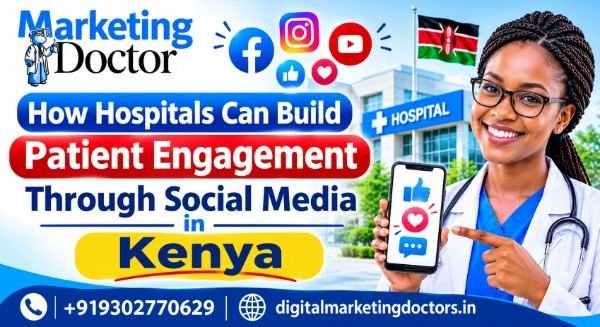
Social media has become an important way for hospitals to connect with patients and local communities. Platforms such as Facebook, Instagram, and LinkedIn allow healthcare providers to share useful information, answer general questions, announce hospital updates, and build stronger relationships with their audiences.
Today, patients do more than search for hospital locations and services. They also look at social media pages to understand a hospital’s facilities, medical departments, healthcare professionals, and approach to patient care.
However, simply creating social media accounts is not enough. Hospitals need a clear content strategy, regular communication, and helpful information to encourage meaningful engagement.
A well-planned Digital Marketing Doctor in Kenya strategy can help healthcare professionals understand how social media supports patient communication and hospital visibility.
Based on practical experience working with healthcare professionals, consistent educational content, professional responses, and accurate information can help improve online engagement. Here are effective strategies hospitals can use.
1. Share Helpful Healthcare Information
Patients often search for simple answers about health conditions, prevention, and general wellness. Hospitals can use social media to share educational information that helps people understand important health topics.
Content ideas include:
- General health and wellness tips.
- Preventive healthcare information.
- Seasonal health awareness.
- Importance of regular check-ups.
- General information about common medical conditions.
For example, a hospital can share a post about the importance of routine health check-ups or preventive care.
A useful Digital Marketing Doctor in Kenya approach focuses on educating audiences instead of publishing only promotional advertisements.
2. Introduce Doctors and Medical Specialities
Patients may feel more comfortable when they know about the doctors and specialists working at a hospital.
Social media provides an opportunity to introduce qualified healthcare professionals and explain the services offered by different departments.
What hospitals can share:
- Doctor introductions and qualifications.
- Medical speciality information.
- Department introductions.
- Professional achievements.
- Hospital facility information.
Use professional photographs and simple descriptions. Always obtain permission before sharing staff photographs or personal information.
This approach can improve awareness and help audiences understand the hospital’s healthcare services.
3. Post Consistently on Social Media
One common mistake hospitals make is posting regularly for a few days and then remaining inactive for weeks. Inconsistent activity can reduce audience interest and make a hospital’s social media pages appear outdated.
How to improve consistency:
- Create a monthly content calendar.
- Plan posts in advance.
- Share two or three useful posts each week.
- Include different content formats.
- Review engagement regularly.
A consistent Digital Marketing Doctor in Kenya strategy should focus on useful and relevant posts rather than publishing content just to remain active.
4. Use Videos to Explain Healthcare Topics
Videos are an effective way to present information in a simple and engaging format. Hospitals can use short videos to introduce departments, explain general health topics, and show available facilities.
Video content ideas:
- Short doctor introduction videos.
- Hospital facility tours.
- General health awareness messages.
- Preventive healthcare tips.
- Frequently asked patient questions.
Keep videos short, clear, and professional. Medical information should be accurate and reviewed by qualified professionals.
Videos can help audiences understand hospital services more easily and encourage meaningful interaction.
5. Respond to Comments and General Enquiries
Social media engagement is not only about publishing posts. Hospitals should also pay attention to comments and general questions from their audiences.
Ignoring comments or leaving messages unanswered for long periods can create a poor impression.
Best practices include:
- Respond politely to general enquiries.
- Share accurate information about hospital services.
- Provide appropriate contact details.
- Direct appointment-related questions to the correct channel.
- Avoid discussing private medical information publicly.
A professional response can create a positive communication experience and strengthen confidence in the hospital.

6. Use Patient-Friendly Content and Simple Language
Medical terminology can sometimes be difficult for the general public to understand. Hospitals should explain healthcare topics using clear and simple language.
For example, instead of using complicated medical terms in every post, explain the topic in everyday words and provide general educational information.
A strong Digital Marketing Doctor in Kenya strategy should make healthcare communication easy to understand, informative, and accessible.
Avoid misleading health claims, fear-based messages, and guaranteed treatment promises.
7. Share Hospital Updates and Important Announcements
Social media can help hospitals communicate useful updates with their communities.
Hospitals can share information such as:
- Changes in department timings.
- New medical services.
- Health awareness events.
- Community health programmes.
- Public health announcements.
- Important facility updates.
Make sure every announcement is accurate and current. Incorrect information about timings, services, or availability can confuse patients.
8. Encourage Meaningful Community Engagement
Hospitals can use social media to participate in community health awareness activities and encourage positive discussions.
Examples include:
- World health awareness campaigns.
- General preventive healthcare discussions.
- Health education sessions.
- Community wellness initiatives.
- Awareness posts about healthy habits.
Ask simple educational questions and invite audiences to share general experiences without requesting private medical details.
This can help hospitals build stronger connections with their communities.
9. Use Social Media Advertising Carefully
Organic social media posts can build awareness, while paid advertisements may help hospitals reach specific audiences.
However, running advertisements without a clear objective can waste money.
Before starting a campaign:
- Decide which hospital service to communicate with.
- Select relevant locations and audiences.
- Use clear and informative messages.
- Direct visitors to an appropriate website page.
- Track campaign performance.
A well-planned Digital Marketing Doctor in Kenya strategy should balance organic content and paid promotion according to the hospital’s goals and budget.
Always follow healthcare advertising regulations and platform policies. Avoid misleading claims or targeting based on sensitive health information.
10. Track Social Media Engagement
Hospitals should measure whether their content is reaching and engaging the intended audience.
Most social media platforms provide basic performance information.
Important metrics include:
- Post reach and impressions.
- Likes and comments.
- Shares and saves.
- Video views.
- Profile visits.
- Website clicks.
- General enquiries.
Review these results monthly. Identify which topics receive useful engagement and improve future content accordingly.
11. Protect Patient Privacy and Maintain Professional Standards
Patient privacy is extremely important in healthcare communication. Hospitals should never share patient photographs, medical details, or testimonials without appropriate informed permission.
Avoid these mistakes:
- Sharing patient information without consent.
- Publishing misleading treatment claims.
- Responding to complaints with private medical details.
- Posting unverified medical information.
- Using patient stories without proper authorization.
A trustworthy social media presence depends on accuracy, respect, and responsible communication.
Suggested Weekly Social Media Content Plan
Hospitals can follow a simple schedule to maintain an active online presence.
| Day | Suggested content |
| Monday | General healthcare awareness tip |
| Tuesday | Doctor or department introduction |
| Wednesday | Short educational video |
| Thursday | Hospital facility or service update |
| Friday | Frequently asked healthcare question |
| Saturday | Preventive healthcare information |
| Sunday | Community health awareness message |
Hospitals do not need to publish every day. The schedule can be adjusted according to available resources and audience activity.
Conclusion
Social media can help hospitals build stronger connections with patients and local communities. However, meaningful engagement requires more than regular promotional posts.
Hospitals should focus on educational content, doctor introductions, useful videos, timely responses, accurate updates, and responsible communication.
A powerful Digital Marketing Doctor in Kenya strategy can help healthcare professionals understand how to create a professional social media presence that supports patient awareness and engagement.
Start with a simple content calendar, share valuable information, protect patient privacy, and review your results regularly. Consistent and trustworthy communication can create better online experiences and stronger relationships with your audience.
Frequently Asked Questions (FAQs)
1. Why is social media important for hospitals?
Social media helps hospitals share healthcare information, introduce medical professionals, communicate updates, and connect with local communities.
2. Which social media platforms are useful for hospitals in Kenya?
Facebook, Instagram, and LinkedIn can be useful depending on the hospital’s audience, services, and communication goals.
3. How often should hospitals post on social media?
Hospitals can start with two or three useful posts per week. Consistency and content quality are more important than posting every day.
4. What type of content should hospitals share?
Hospitals can share health awareness tips, doctor introductions, department information, educational videos, facility updates, and general healthcare guidance.
5. Can social media help hospitals attract more patients?
Social media can improve awareness and help people discover hospital services. It can support patient enquiries when combined with accurate information and convenient contact options.
6. How can hospitals improve social media engagement?
Hospitals can publish helpful content, respond professionally to comments, use videos, share relevant updates, and encourage general educational discussions.
7. Should hospitals respond to negative comments?
Yes. Hospitals should respond calmly and professionally without revealing private patient information. Sensitive complaints should be moved to an appropriate private communication channel.
8. How can hospitals measure social media performance?
Hospitals can monitor reach, impressions, comments, shares, video views, profile visits, website clicks, and general enquiries.
9. Is social media advertising necessary for hospitals?
No. Hospitals can begin with organic content. Paid advertising may be considered when there is a clear objective, suitable budget, and compliant campaign strategy.
10. How can hospitals protect patient privacy on social media?
Hospitals should obtain appropriate consent before sharing patient-related content, avoid disclosing medical information, and follow applicable privacy and professional requirements.